
How long does it take to rewire the brain from addiction? | NA Recovery
Jump to a section of this guide7 sections, about 2,734 words
- The Persistent Question: “How Long Until I Feel Normal Again?”
- The Illusion of a Universal Timeline vs. The Reality of a Personal One
- Understanding Your ‘Neurological Debt’: The Four Factors Defining Your Recovery
- What Happens When You Stop? The Science of Rewiring the Addicted Brain
- From Passive Waiting to Active Rewiring: How to Speed Up Brain Recovery
- Answering Your Core Questions
- Making the Right Choice for Your Needs
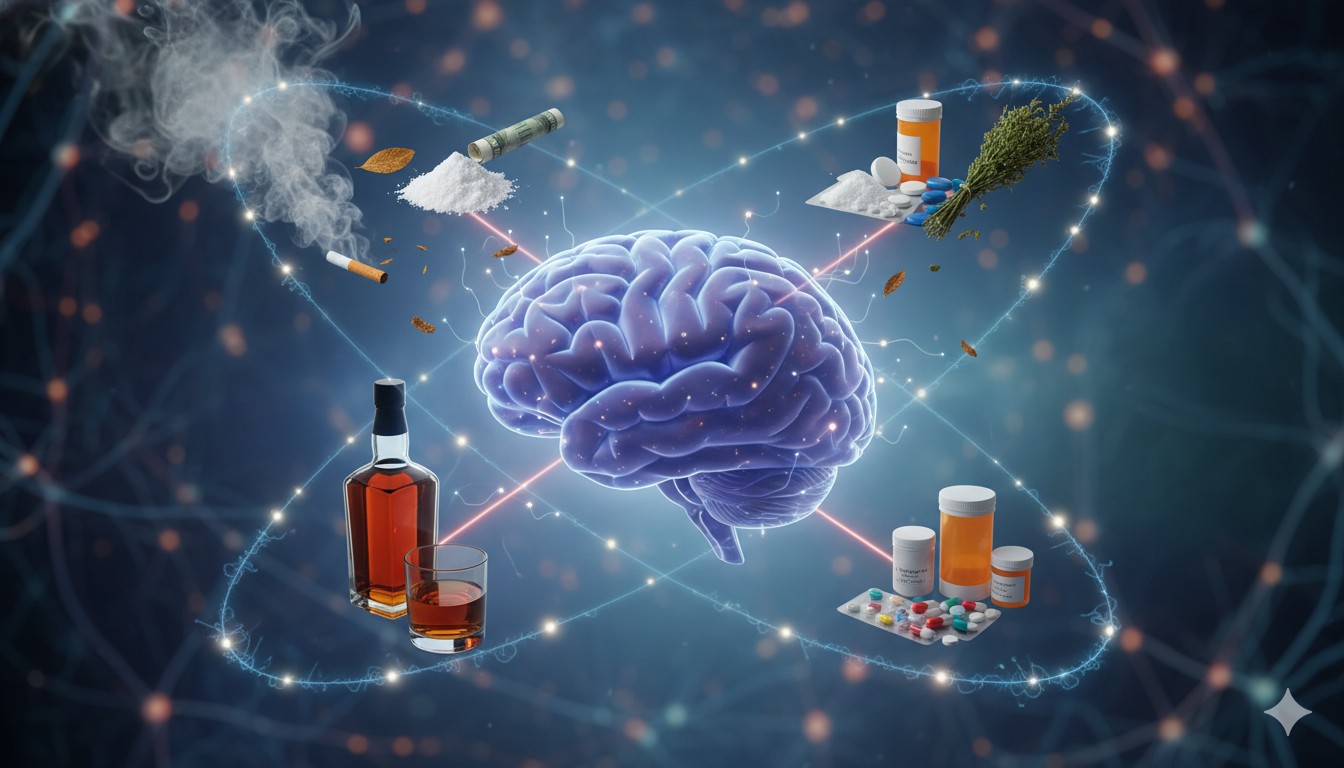
Rewiring the brain from addiction doesn’t follow a universal timeline; the process can take anywhere from several months to a number of years. The length of time required is a deeply personal equation determined by a “neurological debt” accrued from four key factors:
- The specific substance used
- The person’s age at the onset of addiction
- The duration of use
- The presence of polysubstance use.
The Persistent Question: “How Long Until I Feel Normal Again?”
In the quiet, challenging moments of early recovery, one question echoes louder than any other: “How long does it take to rewire my brain from addiction?” It’s a question born from a place of hope and exhaustion, a desire for a finish line. The internet offers deceptively simple answers: 30 days, 90 days, maybe a year. While these milestones are significant, particularly the 90 days sober brain changes that mark a critical phase of stabilization, they often fail to capture the profound biological reality of healing.
The truth is, asking for a single timeline for brain recovery is like asking a doctor how long it takes to heal a wound without showing them the injury. Is it a scratch or a complex fracture? The treatment and healing time are fundamentally different. Similarly, healing the addicted brain naturally is not a passive waiting game. It’s an active process of rebuilding, and the time it takes depends entirely on the nature and extent of the “neurological debt” you’ve accumulated.
This debt isn’t a moral judgment; it’s a biological ledger. It’s the sum of changes addiction has made to your brain’s structure, function, and neurochemistry. Instead of clinging to a generic clock, understanding the factors that define your personal debt is the first, most empowering step toward a lasting recovery.
The Illusion of a Universal Timeline vs. The Reality of a Personal One
In the world of addiction treatment, there’s a constant tension between standardized programs and personalized care. This is most apparent when discussing the timeline for recovery. A fixed, universal schedule offers simplicity, but a variable, personalized timeline offers something far more valuable: accuracy and hope rooted in science. A Fixed, Universal Recovery Timeline
This is the “one-size-fits-all” model, often represented by the 30, 60, or 90-day program. It suggests that a set duration of treatment is sufficient to break habits and establish sobriety.
- Pros: It provides a clear, tangible goal that can feel motivating in the early stages. The structure is simple to understand and implement, making it a common framework for many treatment programs.
- Cons: This approach ignores the vast biological differences between individuals and their addiction profiles. When a person doesn’t feel “cured” by the 90-day mark, it can lead to feelings of failure and shame, hindering the recovery process. It fails to account for the unique challenges of post-acute withdrawal syndrome brain symptoms, which can persist for months.
A Variable, Personalized Recovery Timeline
This model views recovery as a biological process unique to each person. It acknowledges that the time to feel normal after quitting substance abuse is dictated by specific neurological factors, not a calendar.
- Pros: This approach aligns with the science of rewiring the addicted brain. It empowers individuals by helping them understand that recovery length is not a moral failing but a biological process. It champions the need for tailored treatment, leading to more effective and sustainable outcomes.
- Cons: The ambiguity of “it depends” can feel daunting. It requires a more in-depth assessment and a commitment to a process without a guaranteed end date, which can be challenging for those seeking immediate certainty.
Understanding Your ‘Neurological Debt’: The Four Factors Defining Your Recovery
To truly answer the question of how long to rewire the brain from addiction, you must first assess the four critical factors that determine your unique neurological starting point. These factors collectively define the depth of the brain changes that need to be addressed.
1. The ‘Substance Spectrum’: Not All Drugs Are Created Equal
The type of substance used is perhaps the most significant variable in the brain recovery timeline. Different drugs interact with the brain’s neurochemistry in vastly different ways, leading to distinct patterns of adaptation and damage. For instance, the brain healing process from stimulants like methamphetamine is fundamentally different from healing from opioids or alcohol.
Stimulants can be directly neurotoxic, causing long-lasting damage to dopamine and serotonin neurons. This makes rewiring the brain’s reward system a more protracted process, often extending the timeline for anhedonia in early recovery. The cocaine addiction brain rewiring time is also significant due to its intense and rapid hijacking of the dopamine system. In contrast, the brain recovery timeline from opioids centers on upregulating a system that has become dependent on an external source for pain relief and pleasure. Alcohol, another central nervous system depressant, primarily impacts GABA and glutamate systems. The question of how long for GABA receptors to heal from alcohol is critical for understanding the timeline of anxiety and sleep disturbances in sobriety.
Even cannabis, often perceived as less harmful, has a measurable impact. The impact of cannabis use on the brain depends on factors including: the amount of THC, how often it is used, age of first use, and whether other substances like tobacco and alcohol are used at the same time. Therefore, the brain changes after quitting marijuana are real, involving the gradual restoration of cannabinoid receptor density, which can affect memory, motivation, and mood for months.
2. The ‘Under-25’ Crucial Window: Why Age of Onset Matters
The brain isn’t fully mature until around the age of 25. The last area to develop is the prefrontal cortex, the brain’s CEO responsible for decision-making, impulse control, and long-term planning. When an addiction takes hold during this crucial developmental window, it does more than just temporarily alter brain chemistry; it can fundamentally alter the brain’s developmental trajectory.
Addiction’s effect on neural pathways is more profound in an adolescent brain. The substance essentially becomes integrated into the brain’s core wiring as it forms. This creates more deeply ingrained behavioral patterns and can lead to long-term deficits in executive function. Consequently, healing the prefrontal cortex after addiction that began in youth often requires more intensive and targeted therapeutic intervention, extending the overall time required for the brain to establish mature, healthy patterns of thought and behavior. This also affects the timeline for emotional regulation in sobriety, as the brain’s emotional centers may have developed without the proper “brakes” from a fully-formed prefrontal cortex.
3. Duration of Use
The principles of compound interest apply to neurological debt. The duration of addiction and the use of multiple substances don’t just add to the recovery timeline; they can multiply it. Each year of heavy substance use strengthens and automates the addictive neural pathways. Think of it like carving a path in a forest. A single walk creates a faint trail. Walking it every day for ten years carves a deep, wide road that is much harder to grow over.
4. The Compounding Effect: Polysubstance Use
Polysubstance use creates an even more complex challenge. When the brain adapts to one substance, it’s one set of problems. When it’s forced to adapt to alcohol, opioids, and a stimulant simultaneously, it creates a chaotic neurochemical environment. The brain’s attempts to maintain homeostasis become a tangled web of down-regulated and up-regulated receptors across multiple neurotransmitter systems. Untangling this web is an exponentially more complex process than addressing a single substance dependency, significantly impacting the time to feel normal after quitting substance abuse.
What Happens When You Stop? The Science of Rewiring the Addicted Brain
So, what happens to your brain when you get sober? The moment you stop using a substance, the brain begins a remarkable, albeit challenging, process of healing. This journey is powered by neuroplasticity, the brain’s incredible ability to reorganize itself by forming new neural connections throughout life. Neuroplasticity and addiction recovery are intrinsically linked; recovery is, in essence, an exercise in directed neuroplasticity.
The initial phase is often characterized by acute withdrawal, followed by a longer period known as Post-Acute Withdrawal Syndrome (PAWS). During this time, many people experience brain fog in early sobriety, mood swings, sleep disturbances, and anhedonia (the inability to feel pleasure). These are not signs of failure; they are signs your brain is rewiring itself. It’s the feeling of a system rebooting and recalibrating after a long period of being hijacked.
At the heart of this process is the brain’s reward system, particularly the neurotransmitter dopamine. Addiction fundamentally changes how this system works. Over time, the brain adapts to artificial stimuli like drugs by reducing its natural dopamine production and receptor sensitivity, which diminishes the ability to experience pleasure from natural rewards. This is why early recovery can feel so flat and joyless. The good news is this is not permanent. Healing the brain’s reward system is a key goal of recovery. As the brain is no longer flooded with the substance, it slowly begins the process of repairing and resensitizing dopamine receptors. Understanding how long does it take for dopamine receptors to heal is central to managing expectations for the return of motivation and joy.
Brain imaging studies provide stunning visual evidence of this healing. Brain imaging before and after addiction recovery often shows a visible return to more normal levels of dopamine transporter density and metabolic activity in key brain regions after a sustained period of abstinence, sometimes taking as long as 12-18 months. This gradual healing is what underlies the improvement in cognitive function after sobriety.
From Passive Waiting to Active Rewiring: How to Speed Up Brain Recovery
The most empowering aspect of modern addiction science is the shift from a passive “wait and see” approach to an active “heal and rewire” strategy. You are not a bystander in your brain’s recovery; you are the lead architect. By taking specific, targeted actions, you can support and accelerate the process of neuroplasticity.
Therapy That Helps Rewire the Brain
Targeted therapy is crucial. Cognitive Behavioral Therapy (CBT) is a cornerstone of treatment, as it is a form of cognitive behavioral therapy for brain rewiring. CBT helps you identify and change the destructive thought patterns and behaviors that drive addiction, effectively building new, healthier neural pathways. For more targeted intervention, advanced therapies are showing great promise. Neurofeedback for addiction recovery uses real-time displays of brain activity to teach self-regulation of brain function. Emerging technologies like Transcranial Magnetic Stimulation (TMS) are also being explored; research into does TMS help with addiction recovery is ongoing and shows potential for modulating activity in brain circuits related to craving and impulse control.
Nutrition for Brain Healing in Addiction
Your brain needs the right raw materials to rebuild. Chronic substance use depletes essential nutrients required for neurotransmitter production and overall brain health. A diet rich in Omega-3 fatty acids (found in fish oil), antioxidants (from fruits and vegetables), and B-vitamins is critical. Certain supplements for brain repair after drug use, such as N-acetylcysteine (NAC) and a quality multivitamin, can also support this process, helping to restore brain chemistry.
The Role of Exercise and Sleep
Physical activity is one of the most powerful activities that promote neurogenesis in recovery. Aerobic exercise increases Brain-Derived Neurotrophic Factor (BDNF), a protein that acts like a fertilizer for new neurons and synapses. It also helps restore dopamine levels naturally. This is why exercises to rewire brain from addiction are a non-negotiable part of a comprehensive recovery plan.
Simultaneously, never underestimate the power of rest. It’s during deep sleep that the brain does its most critical repair work, clearing out metabolic waste, consolidating memories, and strengthening new neural connections. Understanding how sleep helps brain recovery from addiction is key to prioritizing it as a vital healing tool.
Mindfulness and Rebuilding Neural Pathways
Addiction creates an obsessive, reactive mind. Mindfulness and meditation are powerful tools for dealing with obsessive thoughts in sobriety. They train the prefrontal cortex to exert better control over the reactive, craving-driven parts of the brain. This practice helps to weaken old addictive pathways and strengthen new, intentional ones. As you engage in these active recovery strategies, remember that the journey isn’t a straight line. As one person in recovery wisely put it, “Recovery is about progression, not perfection.”
Answering Your Core Questions
Let’s directly address the most common questions about the addiction recovery brain timeline, summarizing what we’ve learned.
How long does it take for the brain to recover from addiction?
There is no single answer. The timeline is highly personal and depends on your neurological debt: the specific substance, age of onset, duration of use, and polysubstance use. While initial improvements are felt within weeks, significant rewiring can take many months, with some research suggesting that profound healing and stabilization continue well past the one-year-sober brain recovery mark. While changes in connections between neurons in the brain may not be permanent, some last for months, and some research suggests they may even last for years.
How many days does it take for your brain to rewire?
The concept of “rewiring” happens on multiple levels. On a micro level, it can take time for brain synapses to repair after addiction. On a macro, behavioral level, forming new habits takes consistent effort. It can take up to 90 days to form new brain pathways, which is the typical time to adopt a new habit. This is why the 90-day mark is so often cited: it marks a critical period for laying the foundations of new, sober pathways.
Can you ever fully rewire your brain after addiction?
This question touches on the permanence of addiction’s impact. Can you reverse brain damage from alcohol or drugs? The brain has a remarkable capacity to heal and create new pathways that can become stronger and more dominant than the old addictive ones. While some “scars” may remain, a person can achieve a state where the healthy brain’s function is the default. The goal isn’t to erase the past but to build a new future. So, yes, the brain can heal from addiction to a profound degree, leading to a full and rewarding life in recovery.
Making the Right Choice for Your Needs
Understanding the science behind brain rewiring is the first step. The next is applying it to your unique situation. Your needs will differ depending on who you are and where you are in this journey.
For the Person Seeking to Understand Their Own Recovery
Your path is your own. Resist the urge to compare your progress to others or to a generic timeline. Instead, focus on your four key factors. Acknowledge your neurological debt not as a point of shame, but as a map for your healing. Your job is to shift from being a passive passenger to an active driver of your recovery. Engage in therapy, prioritize nutrition, move your body, and get quality sleep. See your recovery not as a sentence, but as a project of profound and active self-reconstruction.
For the Concerned Family Member or Friend
Your support is invaluable, but it must be informed. Learn about the complexities of what happens to the brain. Understand that your loved one’s struggles with brain fog, motivation, or emotional instability are biological, not moral, failings. Learning how to support a loved one’s brain recovery means offering patience and empathy over pressure and deadlines. Encourage their active recovery efforts and celebrate the small signs of brain healing from addiction, which are the true markers of progress.
For the Early-Stage User
Consider this a look into your potential future. Understand that every instance of use contributes to a neurological debt. If you are under 25, be particularly aware that your brain is in a critical construction phase, and you are shaping its final architecture. The belief that you can “stop anytime” ignores the subtle, incremental brain changes that are happening right now. The easiest time to get off the path of addiction is at the very beginning, before the trail becomes a deeply carved road.
Ultimately, navigating the path of recovery requires a guide who understands the unique terrain of your brain. At NA Recovery we are committed to a science-backed, personalized approach. We don’t believe in universal timelines, but in tailored treatment plans that address your specific neurological debt and empower you with the tools for active, lasting brain rewiring. To begin your journey and get the support you need for sustainable healing, contact our compassionate team today for a confidential assessment.